Key Points
- Security Readiness Confirmed: Minister for Defence Helen McEntee affirmed that An Garda Síochána and the Defence Forces are “absolutely prepared to respond to any type of risk or threat” ahead of hosting major European political summits.
- High-Level EU Summits in Dublin: Over 50 European leaders are set to gather in Dublin for the European Political Community meeting and an informal summit of European heads of state during Ireland’s Presidency of the Council of the EU.
- Preceding Bomb Hoax Campaign: Security services remain on high alert following coordinated bomb hoaxes targeting major Irish media outlets, including RTÉ and Newstalk, as well as over 30 commercial airline flights across Europe.
- Escalation Warnings: Security authorities warn that threat actors may attempt to plant physical hoax devices or escalated disruptions to create widespread public chaos during the summit week.
- Hybrid Warfare Concerns: Minister McEntee noted that European authorities and aviation safety agencies are investigating whether the disruptions are interconnected, referencing an increase in hybrid warfare attacks attributed directly to Russian state or proxy actors.
Ireland (Ireland Now News) November 7, 2026 – Ireland’s Minister for Defence Helen McEntee declared on Saturday, 7 November 2026, that national security services are “absolutely prepared” to respond to all operational risks and security threats as Dublin prepares to host over 50 European leaders for two major political summits next week. Speaking at the Fine Gael Ard Fheis in Cork, McEntee addressed growing security concerns following a wave of coordinated bomb hoaxes that forced the evacuation of key national broadcasting headquarters in Dublin and disrupted international commercial aviation. According to intelligence assessments and senior law enforcement officials, Irish security agencies are bracing for potential disruptions—including the possible deployment of physical hoax devices—intended to provoke public chaos ahead of the European Political Community and European Council meetings.
- What Security Preparations Are in Place for Dublin’s Upcoming European Summits?
- What Caused Recent Security Alarms Across Ireland and Europe?
- Are Russian Hybrid Warfare Operations Suspected in the Disruptions?
- Background of the Particular Development After the News
- How This Development Can Affect Public Transportation, Summit Operations, and Irish Defense Policy
What Security Preparations Are in Place for Dublin’s Upcoming European Summits?
As reported by security correspondent Cormac O’Keeffe of the Irish Examiner, Ireland’s security services are executing comprehensive operational plans to secure the capital for the largest gathering of international leaders in the history of the State.
Dublin is scheduled to host the European Political Community (EPC) summit, followed immediately by an informal meeting of European heads of state and government. More than 50 heads of state, prime ministers, and European Union delegation leaders will convene in the capital under Ireland’s Presidency of the Council of the European Union.
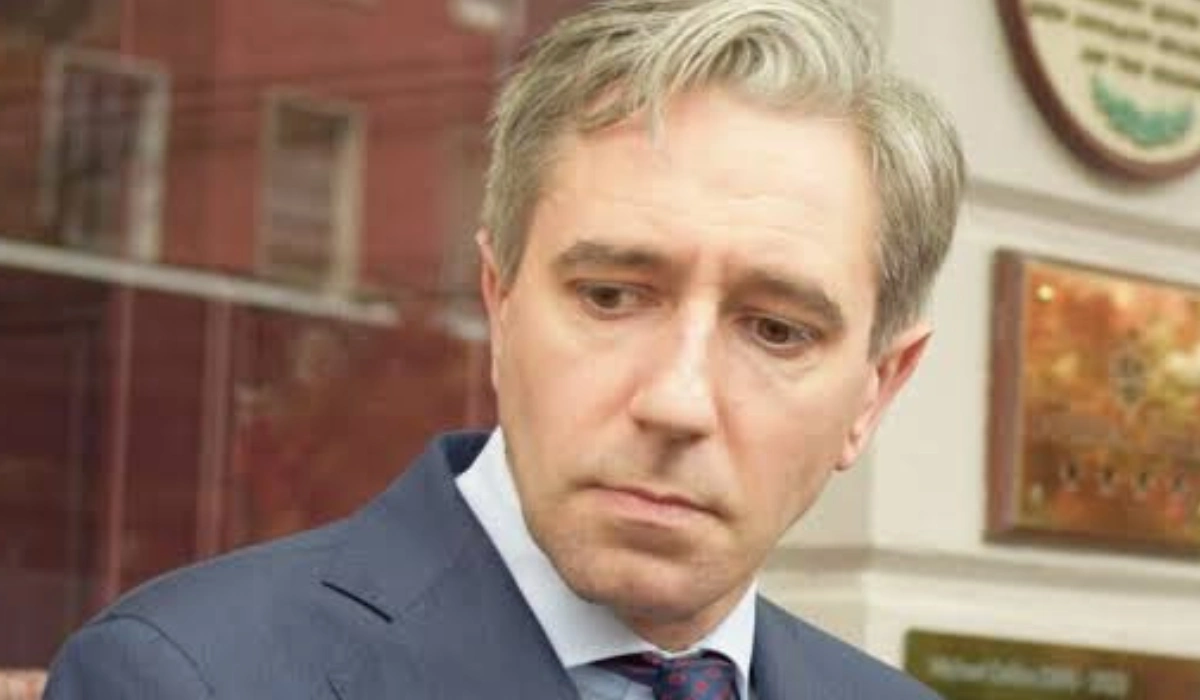
Addressing delegates and media in Cork, Defence Minister Helen McEntee expressed full confidence in the joint capability of An Garda Síochána, the Defence Forces, and partner intelligence agencies.
As reported by political editor Christina Finn of TheJournal.ie, Helen McEntee stated: “In terms of next week, I believe that we are absolutely prepared to respond to any type of risk or threat. I think the last few days have shown just that. I believe that the work that our gardaí, again with our Defence Forces, with all of our agencies, the work they’ve done over the last number of months throughout the presidency has shown just how capable and able they are”.
McEntee emphasized that Ireland’s operational command framework remains fully integrated: “I have every confidence in them in the week ahead, and indeed in the remaining few months during our presidency”.
What Caused Recent Security Alarms Across Ireland and Europe?
According to reporting by news correspondent Niall O’Connor of TheJournal.ie, Irish broadcasting institutions—including public broadcaster RTÉ and commercial stations Newstalk and Today FM—were evacuated following target bomb hoaxes sent via electronic communications.
The disruption to Irish media occurred less than 48 hours after a series of coordinated false bomb threats targeted international passenger flights across European airspace. Aviation safety authorities recorded over 30 flights affected by threat warnings, resulting in fighter jet escorts, emergency ground searches, and flight diversions involving carriers including Ryanair and Aer Lingus.
Security sources cited by the Irish Examiner indicated that investigators suspect the threats are part of a deliberate campaign designed to test emergency responses and “cause chaos” in the host nation prior to the arrivals of European heads of state. Intelligence officers warned that perpetrators might escalate tactics by placing inert, realistic-looking hoax devices to force physical cordons and media coverage.
Addressing whether national authorities could rule out further disruptions, Minister McEntee stated that European security services were evaluating potential interconnections.
As reported by The Journal, Helen McEntee stated: “I don’t think anybody can rule that out at this moment in time. But what our authorities are trying to understand, from our aviation authorities, our safety agency as well across the EU, is whether all of this is interconnected and linked, and then where was it coming directly from?”
Are Russian Hybrid Warfare Operations Suspected in the Disruptions?
As detailed in security reports published by The Irish Times, Western intelligence agencies and EU transport officials are investigating potential links between the surge in false alarms and state-sponsored hybrid operations.
While Minister McEntee noted it was “hard to tell at this early stage” who executed the specific hoaxes against Irish media outlets, she highlighted broader geopolitical patterns impacting European security.
As reported by news correspondents at The Independent, Helen McEntee observed that European nations were facing an elevated baseline of non-conventional threats, stating that authorities are aware of “more hybrid attacks”, many of which are “being attributed directly to Russia”.
McEntee commended the rapid tactical response of Garda operational units during the media evacuations, stressing that identifying the origin of the threats remains a national priority.
As reported by ITV News, Helen McEntee added: “I think we need to make sure that every structure that has been running based on the presidency from a security perspective is airtight. I’ve no doubt in the coming days, despite the fact that we’ve had a challenging few days, there will be lessons learned that Gardaí will investigate and hopefully will identify, whether there is one person or many individuals responsible specifically for the hoaxes against many actors”.
She concluded: “We have a really, really strong structure in place across the Gardaí, across the defence forces, across our agencies… But what it just shows, is that none of us are immune to these types of risks. None of us are immune to these types of challenges”.
Background of the Particular Development After the News
The security escalation comes at the height of Ireland’s eighth Presidency of the Council of the European Union, which spans from 1 July through 31 December 2026. Hosting the European Political Community (EPC) summit and the informal European Council meeting represents the logistical and diplomatic centerpiece of Ireland’s six-month term. The EPC, established in 2022 following Russia’s invasion of Ukraine, brings together leaders from across 47 European countries—including EU member states, the UK, Western Balkan nations, and Caucasus states—to align regional security and strategic policies.
Historically, Ireland’s military neutrality and geography provided a degree of insulation from continental defense friction. However, the rapidly changing European security landscape—characterized by underwater infrastructure sabotage, cyberattacks, GPS jamming across aviation corridors, and disinformation campaigns—has elevated hybrid threat readiness to the top of national defense priorities. In response to recent European security events, An Garda Síochána established a dedicated National Security Intelligence Service structure working alongside the Defence Forces’ Directorate of Military Intelligence (J2) and European agencies including Europol and Eurojust.
How This Development Can Affect Public Transportation, Summit Operations, and Irish Defense Policy
The heightened security baseline and potential for ongoing hybrid disruptions will generate distinct operational, civic, and policy impacts across Ireland and the broader European Union.
Impact on Dublin Transit, Commuters, and Local Businesses
For residents and businesses in Dublin, the execution of the multi-agency summit security plan will result in extensive exclusion zones around Dublin Castle, Farmleigh House, and transport corridors leading from Dublin Airport. The threat of physical hoax devices will likely trigger precautionary road closures, temporary public transit diversions (including Luas and Dublin Bus lines), and localized building evacuations. Commuters and hospitality venues in central Dublin will face significant daily operational delays through the summit period.
Impact on Summit Logistics and International Security Protocols
For European diplomatic delegations and security detail teams, the threat environment will mandate maximum-level protection protocols. Counter-drone measures, maritime patrols off the Dublin coast by the Irish Naval Service, and air-space restrictions enforced by Air Corps radar and interceptor assets will operate at continuous readiness. The incidents will also test real-time intelligence sharing between Irish authorities and international partner agencies to swiftly verify and neutralize non-credible threats without derailing official summit schedules.
Impact on National Defense Legislation and Resource Allocation
For the Irish Government and Dáil Éireann, the security challenges encountered during the EU Presidency will accelerate ongoing debates regarding national defense funding and cyber-resilience infrastructure. The vulnerability highlighted by hybrid threats will pressure future budget allocations toward expanding Defence Forces radar systems, naval patrol capacity, and specialized counter-hybrid warfare units within An Garda Síochána.