Key Points
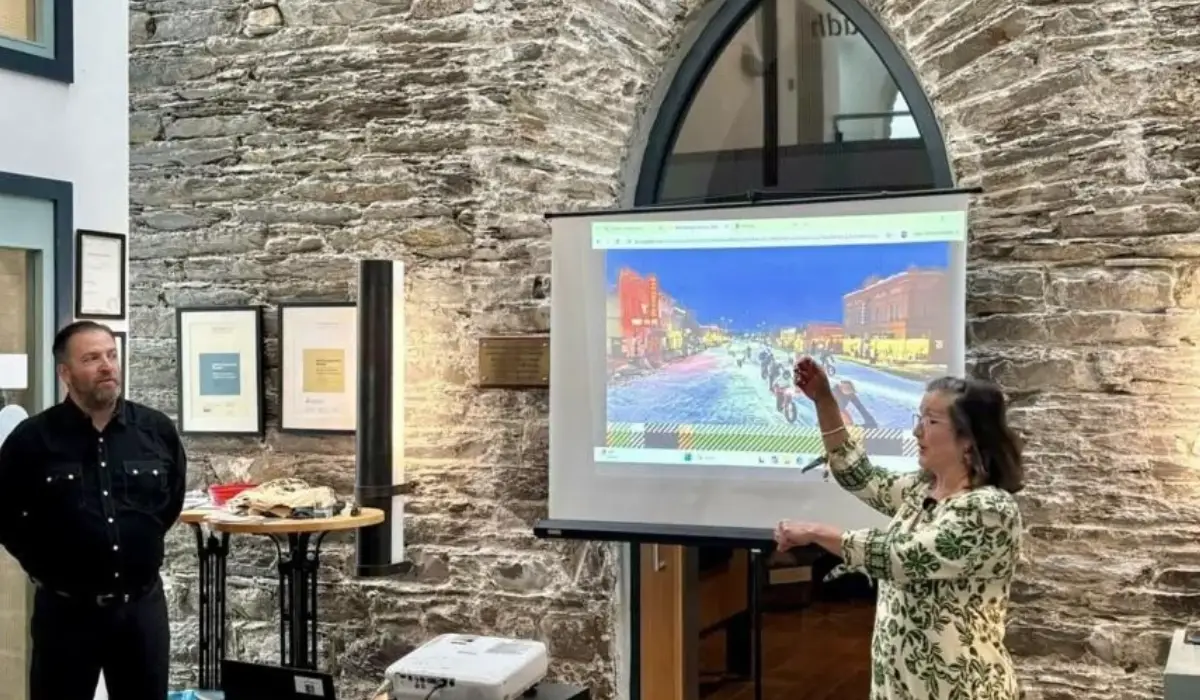
- International Presentation: On October 11, volunteers Luke Finken and Kathleen Fitzsimmons delivered a historical presentation in Allihies, Ireland—Leadville’s official sister city—as part of the Allihies Copper Mine Museum’s annual Autumn School.
- Thematic Focus: The weekend conference centered on the theme “Who Belongs: Migration, Identity and the Politics of Place,” connecting contemporary migration debates in Europe and the United States with the historical experiences of Irish emigrants.
- Memory of the Diaspora: Finken and Fitzsimmons highlighted the deep historical ties between the Beara Peninsula in County Cork and Colorado’s historic silver-mining hub, Leadville, focusing on multicultural immigration during the late 19th century.
- Evergreen Cemetery Memorial: Their presentation detailed volunteer efforts honoring the poorest members of Leadville’s Gilded Age community buried in Evergreen Cemetery’s Catholic paupers’ graves—where nearly 75% of the 1,300 individuals interred were Irish, predominantly originating from the Beara Peninsula, with an average age of 22.
- Research and Support: The Irish Miners’ Memorial was realized through community donations, Irish Emigrant Support Programme grants secured by the Irish Network Colorado (INCO), and foundational research conducted by Dr. James Walsh and students from the University of Colorado Denver.
Ireland (Ireland Now News) October 29, 2026 – Leadville volunteers Luke Finken and Kathleen Fitzsimmons traveled to Allihies, Ireland, on October 11 to present the shared history of Irish emigration and Colorado mining at the Allihies Copper Mine Museum’s Autumn School. Invited by conference organizer Tadhg O’Sullivan, the duo shared insights on the “Memory of the Diaspora” during a weekend conference exploring migration, identity, and belonging. Their lecture highlighted the poignant stories of 1,300 individuals—disproportionately young Irish miners and their families from the Beara Peninsula—buried in Evergreen Cemetery’s paupers’ graves, bridging historical research with modern volunteer memorials.
- Key Points
- What was the focus of Luke Finken and Kathleen Fitzsimmons’ presentation in Allihies?
- What is the history behind the Irish Miners’ Memorial in Leadville’s Evergreen Cemetery?
- Background of the particular development
- How this development can affect local historians, diaspora researchers, and tourism between Leadville and the Beara Peninsula
What was the focus of Luke Finken and Kathleen Fitzsimmons’ presentation in Allihies?
Luke Finken and Kathleen Fitzsimmons traveled to Allihies on the Beara Peninsula in County Cork, Ireland—designated as Leadville’s sister city—to participate in the Allihies Copper Mine Museum’s Autumn School held on October 11. Invited by conference coordinator Tadhg O’Sullivan, Finken and Fitzsimmons joined a weekend academic conference structured around the timely theme: “Who Belongs: Migration, Identity and the Politics of Place.”
Reflecting on the collaborative academic weekend, Luke Finken stated: “It was a wonderful weekend of sharing ideas, stories, art and music. Tadhg and the Allihies Copper Mine Museum crew did a fabulous job assembling a knowledgeable and impactful set of presenters. I was very honored to be included in the weekend, share the stage with amazing academics, and to be a part of such a powerful topic.”
Kathleen Fitzsimmons noted that the broader academic sessions successfully bridged past and present realities: Fitzsimmons commented that the presenters “…connected the current politics of migration in Europe and the US, with the historic experience of the Irish, shedding light on the similarities of migration as part of human nature.”
The presentation by the Leadville representatives, titled “Memory of the Diaspora,” explored the intricate connection between immigrants originating from the Beara Peninsula (including Allihies and Eyeries) and Colorado’s high-altitude silver boomtown during its late 19th-century heyday. By examining the question of “who belongs,” Finken and Fitzsimmons intertwined Leadville’s multicultural immigrant history with their ongoing volunteer work cataloging and honoring unmarked graves within Evergreen Cemetery.
What is the history behind the Irish Miners’ Memorial in Leadville’s Evergreen Cemetery?
The Evergreen Cemetery memorial featured in the presentation differs significantly from traditional monuments dedicated to wealthy Gilded Age mining barons and power holders. Instead, the site honors the most marginalized and impoverished members of the historic Leadville community.
Historical records indicate that approximately 1,300 individuals are buried in the cemetery’s Catholic paupers’ graves. Among those interred, nearly 75% were Irish or bore Irish surnames, the vast majority originating directly from the Beara Peninsula. Demographic analysis of the graves reveals stark historical realities: the average age of those buried was just 22 years old, and 10% were stillborn infants, reflecting the harsh conditions, mining accidents, and disease prevalent in the high-altitude mining camp.
The creation of the memorial was driven by grassroots community dedication, individual financial contributions, and grant funding from the Irish Emigrant Support Programme, applied for through the Irish Network Colorado (INCO). Furthermore, the physical monument and historical record rest upon extensive genealogical and academic research conducted by Dr. James Walsh and students from the University of Colorado Denver.
Expressing the significance of sharing this heritage with an Irish audience, Luke Finken stated: “Sharing US, Colorado and Leadville history to this group was very special. As public educators, to tell the story of Leadville’s place in history, most of which was unknown to our audience, gave Kathleen and I great joy. The audience was enthralled by our mountain town’s history and the connection they share through Irish immigration during the Gilded Age.”
Background of the particular development
The cultural and civic exchange between Leadville, Colorado, and Allihies, Ireland, is anchored in 19th-century mining migration. During the height of Leadville’s silver and hard-rock mining boom in the late 1800s, thousands of skilled miners migrated from copper-mining districts across Ireland—particularly the Beara Peninsula in County Cork, where generations had worked in deep-rock copper lodes such as the Allihies mines. When Cornish and Irish miners moved to the Rocky Mountains, they brought advanced subterranean extraction techniques but faced severe economic precarity, dangerous working environments, and widespread poverty.
In recent years, historians, diaspora researchers, and volunteers like Luke Finken and Kathleen Fitzsimmons have worked to unearth the stories of these forgotten laborers. Partnering with academics like Dr. James Walsh of the University of Colorado Denver and organizations like Irish Network Colorado (INCO), community advocates successfully established formal sister-city ties between Leadville and Allihies, fostering cross-Atlantic historical preservation through annual academic forums like the Allihies Copper Mine Museum’s Autumn School.
How this development can affect local historians, diaspora researchers, and tourism between Leadville and the Beara Peninsula
The ongoing transatlantic collaboration and international presentations regarding Leadville’s Irish diaspora will likely produce several long-term impacts:
- For Diaspora Researchers and Genealogists: Increased academic attention and public archiving of Evergreen Cemetery’s paupers’ graves will encourage further genealogical research, helping families in County Cork trace ancestors who migrated to Colorado during the Gilded Age.
- For Cultural Tourism and Sister-City Relations: The partnership between Allihies and Leadville will continue to strengthen tourism initiatives, encouraging travelers from Ireland to visit the Rocky Mountain mining district and American tourists to explore the Beara Peninsula’s mining heritage museums.
- For Public Education and Heritage Preservation: Presentations by educators like Luke Finken and Kathleen Fitzsimmons raise public awareness about the socioeconomic hardships endured by 19th-century immigrant laborers, ensuring that marginalized historical narratives are preserved alongside traditional accounts of Gilded Age wealth.